Plans & site information
Existing plans, available dimensions, photographs and known property information can clarify the first review. They do not replace required professional verification.
 Level Up View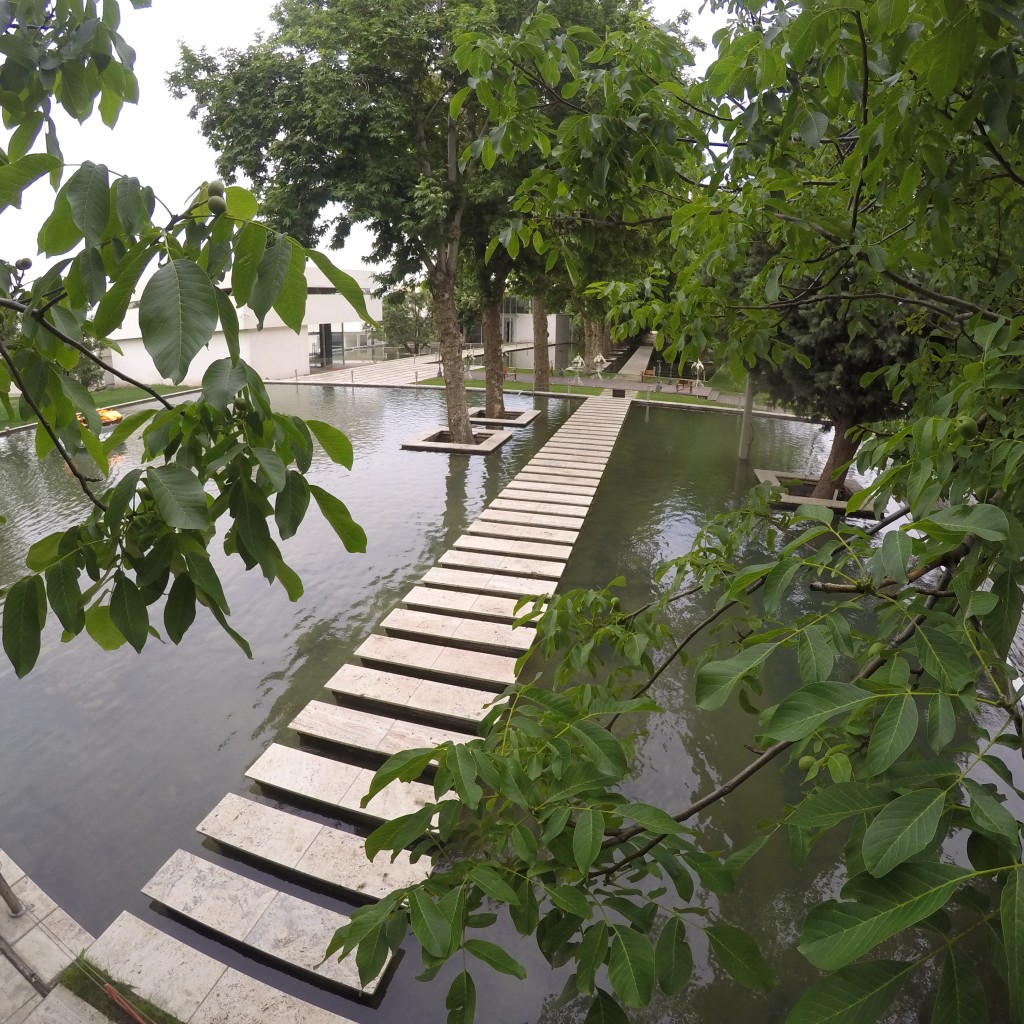
RESOURCES / PROJECT PREPARATION
A practical guide for organizing the goals, evidence and questions that make an early design conversation more productive.
PREPARE THE STARTING POINT ↓You do not need a finished scope to begin. A useful brief simply separates what is known, what is desired and what still needs to be explored with the project team.
Existing plans, available dimensions, photographs and known property information can clarify the first review. They do not replace required professional verification.
Reference images and material preferences help describe tone, atmosphere and the details that feel appropriate to you.
List the decisions you want the design process to help answer, including items that are still uncertain.
Note collaborators already involved so design information can be discussed in the right context.
A spatial direction that connects existing conditions, movement and intended use.
A coordinated material and planting approach for discussion and refinement.
Selected visual studies that support communication; they remain representations, not construction guarantees.
Clearer conversations about scope and interfaces with the appropriate project professionals.
The current brief tool prepares a downloadable file on your device. It does not transmit your information or create a project account.